
Back to BlogWellness
The Science of Gut Health and Its Impact on Overall Wellness
Holistic's Healthy Guide
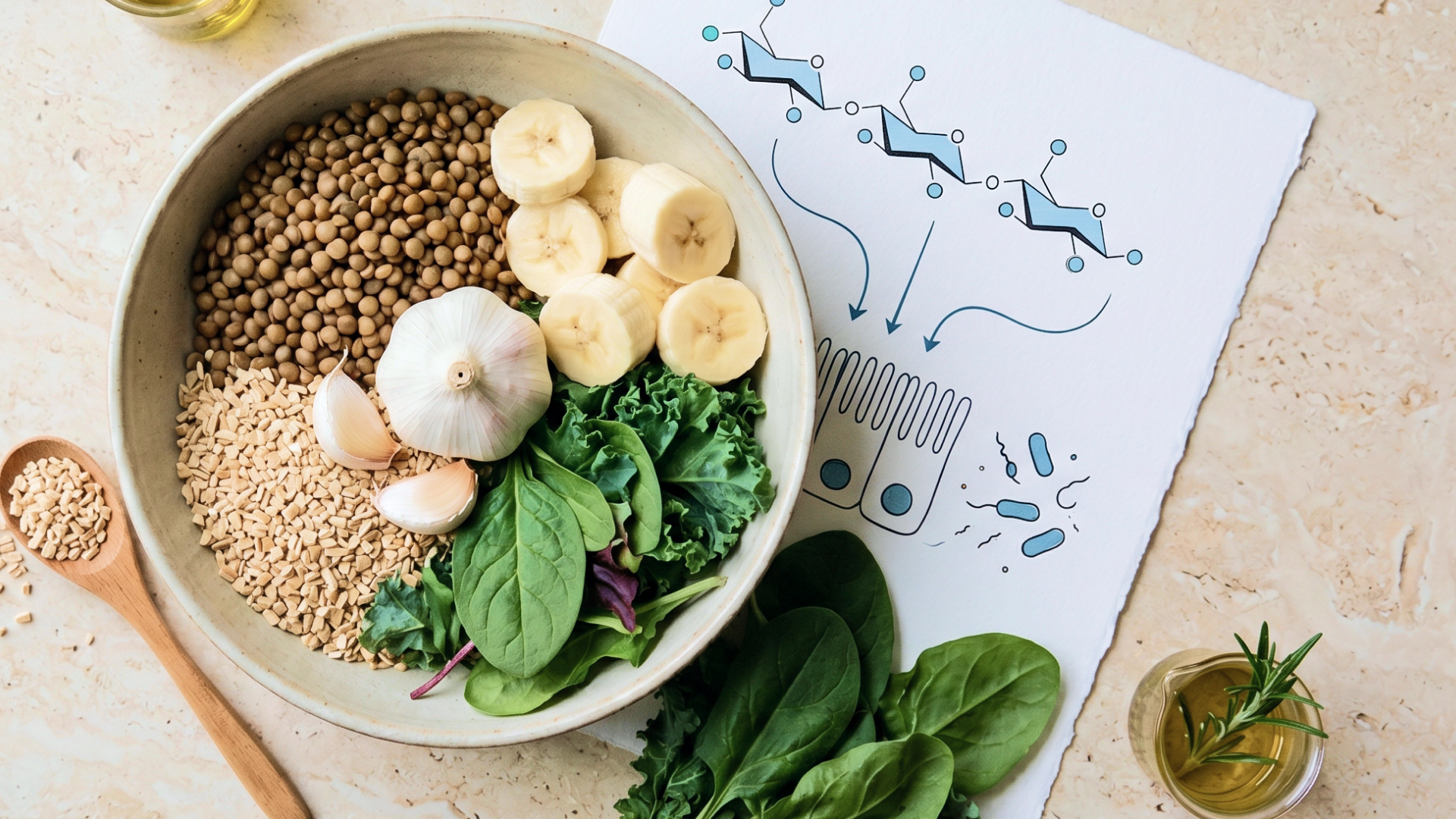
The human gut is home to over 100 trillion microorganisms — collectively known as the gut microbiome — that play a crucial role in digestion, immunity, and even mental health. Research from the National Institutes of Health shows that a diverse gut microbiome is associated with better overall health outcomes, while reduced microbial diversity is linked to chronic disease.
"All disease begins in the gut."
— Hippocrates
Your gut is often called the "second brain" because it contains over 500 million neurons connected to the brain through the vagus nerve. This intricate network means your digestive health directly influences everything from your mood to your immune response.
Your gut does far more than just digest food. It produces approximately 95% of your body's serotonin — the neurotransmitter responsible for regulating mood, sleep, and appetite. It also supports immune function, with roughly 70% of the immune system residing in the gut.
An imbalanced gut microbiome (a condition known as dysbiosis) has been linked to a wide range of conditions, including irritable bowel syndrome (IBS), inflammatory bowel disease, obesity, type 2 diabetes, depression, and even autoimmune disorders.
The gut-brain axis is a bidirectional communication system between your digestive tract and your brain. This connection explains why gut health issues can affect mood, cognition, and mental well-being. Studies published in the journal *Nature Reviews Neuroscience* have shown that altering gut bacteria can influence anxiety-like behaviours and stress responses.
Your gut lining acts as a barrier, selectively allowing nutrients to pass into the bloodstream while blocking harmful substances. When this barrier becomes compromised — a condition often referred to as "leaky gut" — it can trigger systemic inflammation and immune dysregulation.
Fermented foods like yoghurt, kefir, sauerkraut, kimchi, miso, and kombucha are rich in beneficial probiotics that introduce live cultures into your digestive system. Prebiotic-rich foods such as garlic, onions, bananas, asparagus, artichokes, and oats feed the good bacteria already residing in your gut.
Breakfast: Overnight oats with banana slices, flaxseed, and a dollop of natural yoghurt.
Lunch: Mixed greens salad with grilled chicken, sauerkraut, olive oil dressing, and avocado.
Dinner: Grilled salmon with steamed asparagus, quinoa, and a side of kimchi.
Snacks: Fresh berries, walnuts, or a small cup of bone broth.
Eat a diverse range of foods — aim for 30 different plant foods per week. Include plenty of fibre (25-35g daily), stay well hydrated, manage stress levels through meditation or yoga, and consider a quality probiotic supplement with at least 10 billion CFUs.
Avoid excessive processed foods, artificial sweeteners (particularly aspartame and sucralose), unnecessary antibiotics, and chronic stress — all of which can disrupt your microbiome balance and reduce bacterial diversity.
Subscribe to our channel for video guides, workout tutorials, healthy recipes, and wellness tips.

Explore a holistic approach to pain management for lasting relief, combining natural techniques with integrative strategies for comprehensive care.
Discover how to unlock the secrets to a stronger immune system with our expert tips for natural ways to enhance your immune defences.
Discover natural tranquillity with our guide on essential oils for stress relief: relax and unwind naturally with aromatic bliss.