
Back to BlogWellness
Boost Your Immunity: Unlock the Secrets to a Stronger Immune System
Holistic's Healthy Guide
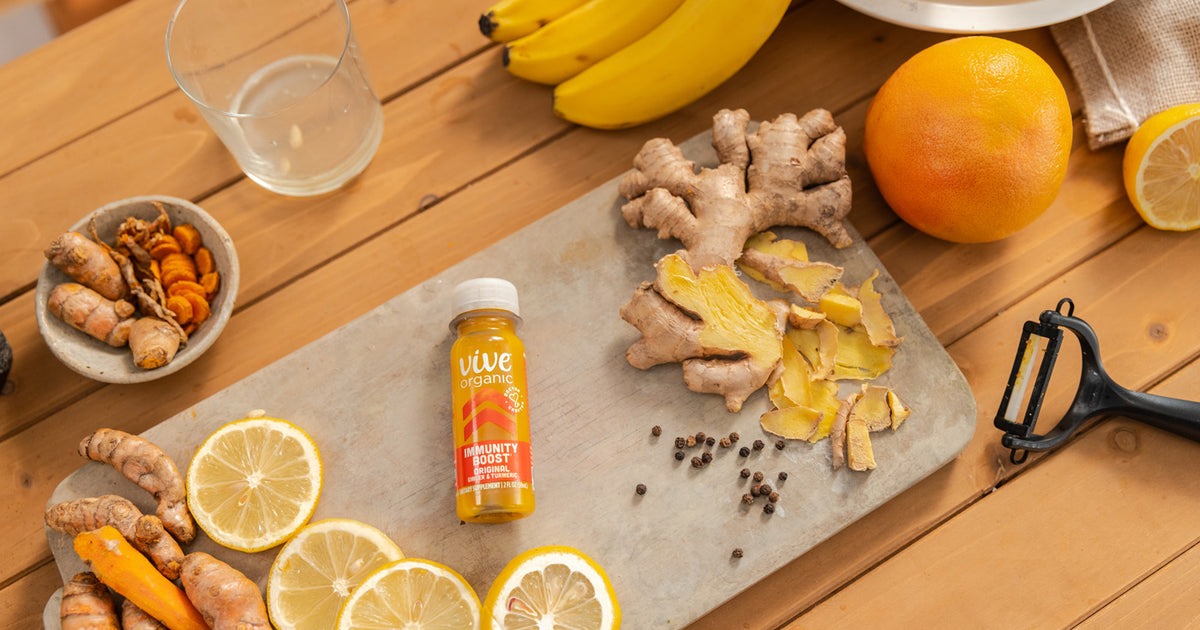
Your immune system is a remarkably complex network of cells, tissues, and organs that work in concert to defend against bacteria, viruses, fungi, and other harmful invaders. It consists of two branches: the innate immune system (your first line of defence) and the adaptive immune system (which creates targeted responses to specific threats and remembers them for future protection).
"The best doctor gives the least medicines."
— Benjamin Franklin
Supporting your immune system requires a holistic approach — no single supplement or food can compensate for poor overall lifestyle habits.
**Vitamin C** (200-500mg daily): Found in citrus, bell peppers, strawberries, and broccoli. Supports both innate and adaptive immunity by stimulating white blood cell production.
**Vitamin D** (1,000-4,000 IU daily): The "sunshine vitamin" activates T-cells and is crucial for immune regulation. Over 40% of the UK population is deficient, especially in winter. Supplement from October to March.
**Zinc** (15-30mg daily): Essential for immune cell development and communication. Found in oysters, red meat, pumpkin seeds, and chickpeas. Even mild deficiency impairs immune function.
**Selenium**: A powerful antioxidant that enhances immune response. Brazil nuts are the richest dietary source — just 2-3 daily provide your full requirement.
Include citrus fruits, bell peppers, mushrooms (especially shiitake and reishi), fermented foods (yoghurt, kefir, sauerkraut), garlic, ginger, turmeric, and green leafy vegetables in your daily diet.
Moderate exercise (30-60 minutes, 5 times weekly) enhances immune surveillance by increasing circulation of immune cells. However, excessive high-intensity training without adequate recovery can temporarily suppress immunity.
During sleep, your immune system releases cytokines — proteins that help fight infection and inflammation. Studies show that people who sleep less than 7 hours are 3 times more likely to catch a cold.
Chronic stress elevates cortisol, which suppresses immune function and increases susceptibility to illness. Meditation, yoga, time in nature, and social connection all help regulate the stress response.
Lymph fluid — which carries immune cells throughout your body — is primarily composed of water. Dehydration slows lymphatic circulation and impairs immune response.
Echinacea may reduce the duration of colds by 1-2 days. Elderberry (Sambucus nigra) has shown antiviral properties in clinical trials. Garlic's active compound allicin has broad antimicrobial effects. Astragalus root is a traditional Chinese medicine staple for immune support.
Subscribe to our channel for video guides, workout tutorials, healthy recipes, and wellness tips.

Explore a holistic approach to pain management for lasting relief, combining natural techniques with integrative strategies for comprehensive care.
Discover natural tranquillity with our guide on essential oils for stress relief: relax and unwind naturally with aromatic bliss.

Discover actionable tips for better sleep and improved well-being that can transform your nights and elevate your days.