
Back to BlogWellness
Essential Oils for Stress Relief: Relax and Unwind Naturally
Holistic's Healthy Guide
Essential oils have been used for centuries across cultures — from ancient Egyptian rituals to Traditional Chinese Medicine and Ayurveda. Modern neuroscience reveals why: aromatic molecules directly stimulate the limbic system (the brain's emotional centre) through the olfactory nerve, producing measurable changes in brain wave patterns, heart rate, and cortisol levels within minutes.
"Aromatherapy is a caring, hands-on therapy which seeks to induce relaxation, increase energy, reduce the effects of stress, and restore lost balance to mind, body, and soul."
— Robert Tisserand
A meta-analysis of 12 randomised controlled trials published in *Pain Research and Treatment* found that aromatherapy significantly reduced anxiety and stress in clinical settings.
The gold standard for relaxation. Clinical studies show lavender reduces anxiety scores by up to 59% in pre-operative patients. Its active compounds (linalool and linalyl acetate) have sedative and anxiolytic properties.
Known for its calming and sleep-promoting properties. A study in *Alternative Therapies in Health and Medicine* found that inhaling chamomile essential oil significantly improved sleep quality and reduced daytime fatigue.
This citrus oil is unique in its ability to be both uplifting and calming. Research shows it reduces salivary cortisol levels and improves mood. Ideal for anxiety accompanied by low mood.
Ylang-ylang reduces blood pressure and heart rate. Frankincense activates brain pathways associated with peace and tranquillity. Clary sage balances hormones and is particularly effective for stress related to PMS or menopause.
Diffusion: Use an ultrasonic diffuser for 30-60 minutes in a well-ventilated room. This is the safest and most common method.
Bath: Add 6-8 drops mixed with a carrier oil or bath salts to a warm bath. Never add undiluted oils directly to water.
Topical: Mix 2-3 drops with a tablespoon of carrier oil (jojoba, sweet almond, or coconut) for massage. Always patch test first.
Inhalation: Place a drop on your palms, cup over your nose, and breathe deeply for immediate relief.
Incorporate essential oils into your evening wind-down: diffuse lavender while practising gentle yoga, add frankincense to a warm bath, apply diluted chamomile to your temples and wrists, or enjoy bergamot-infused herbal tea. Combine with deep breathing exercises (4-7-8 technique) for maximum relaxation.
Never ingest essential oils. Always dilute before applying to skin. Avoid during pregnancy without medical guidance. Keep away from children and pets. Store in dark glass bottles away from sunlight.
Subscribe to our channel for video guides, workout tutorials, healthy recipes, and wellness tips.

Explore a holistic approach to pain management for lasting relief, combining natural techniques with integrative strategies for comprehensive care.
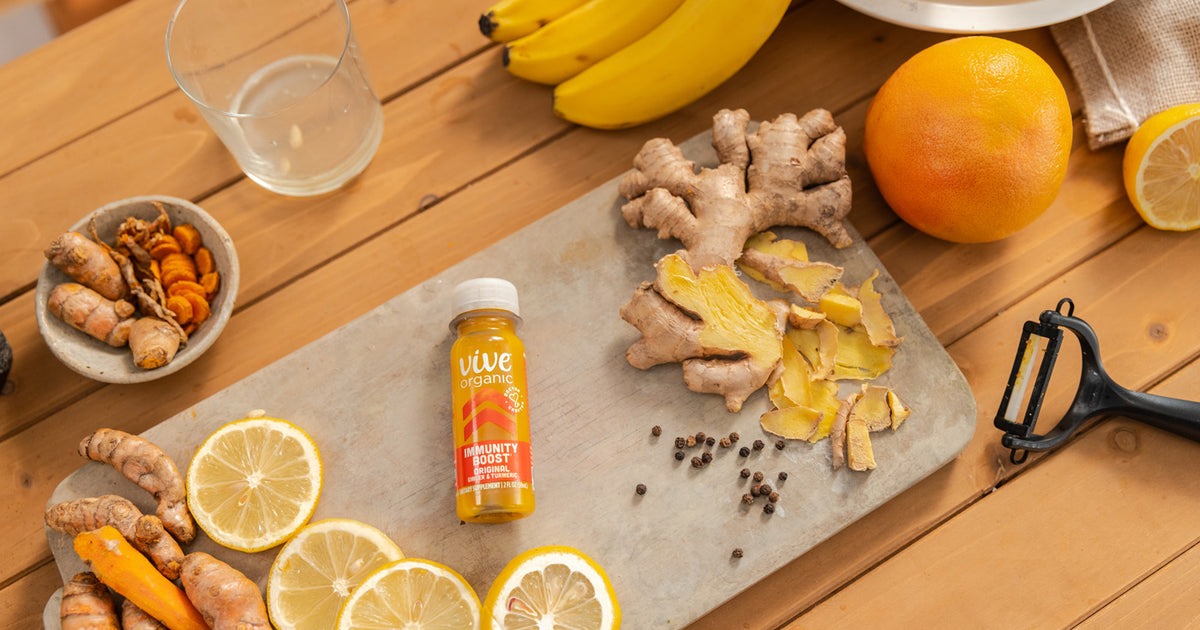
Discover how to unlock the secrets to a stronger immune system with our expert tips for natural ways to enhance your immune defences.

Discover actionable tips for better sleep and improved well-being that can transform your nights and elevate your days.